

Youth Courts vs. Adult Courts
Why the Juvenile Justice System Works Better
Despite their many flaws, juvenile courts are better for youth who break the law than are adult courts. Our new report dismantles the political narrative that transferring youth to adult court improves safety and challenges the misconception that juvenile courts offer a mere “slap on the wrist.” The juvenile system is a far more effective, accountability-driven, and developmentally appropriate forum, even as it requires continued reform to eliminate racial disparities and over-incarceration.
Key Publications


“We are not ex-cons, we are not felons, we’re not inmates, we’re people that have a way to give back.”


Advocating for Youth: Damon Walker
Drawing from his experience with the criminal legal system as a teenager, Damon Walker works to give other youth the chance he received – advocating for alternatives to incarceration that offer youth education, structure, and purpose.

From Punishment to Prevention: A Better Approach to Addressing Youth Gun Possession
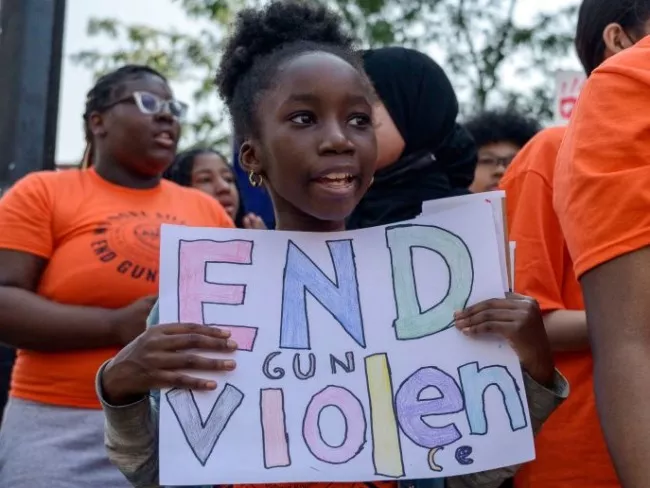
Reducing gun violence should be an urgent priority in the United States. However, imposing harsh consequences for all adolescent gun possession cases harms urban youth of color disproportionately without benefits for community safety. Other approaches to reducing gun violence – such as local gun violence interruption efforts – are far more equitable and effective. The Sentencing Project hosted a webinar highlighting the importance of improving justice system responses to youth gun possession.

Stand up for youth justice
Your help powers The Sentencing Project’s critical research and advocacy work. Together, we can fight against systemic racial and ethnic injustices in our country.
