

Racial Justice
One in five Black men born in 2001 is likely to experience imprisonment within their lifetime.
The Sentencing Project’s four-part “One in Five” series examines racial inequities in America’s criminal legal system, as well as highlights promising reforms.
Youth Incarceration
In an era of declining youth incarceration, Black, Latino and American Indian youth are still overwhelmingly more likely to be held in custody than their white peers.


Black Disparities in Youth Incarceration
Black youth are 5.6 times as likely to be incarcerated than white youth – and the Black/white racial disparities in youth incarceration grew more than 10% in 23 states.
Key Publications
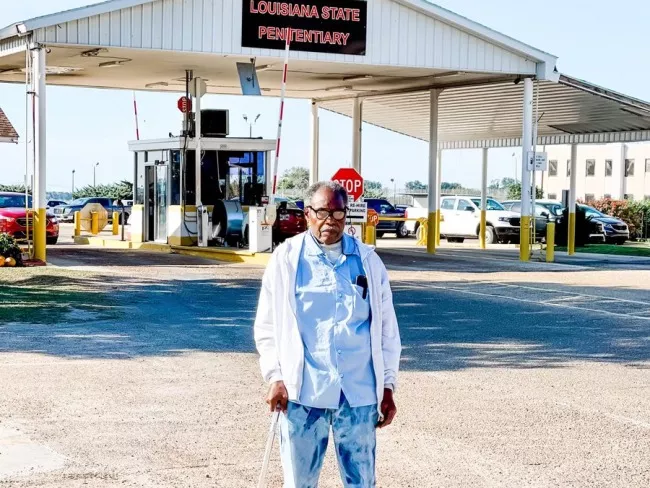


If you want people to change and you want public safety to be paramount, we have to change the way we deal with people who are incarcerated or previously incarcerated and give them opportunities to be successful.


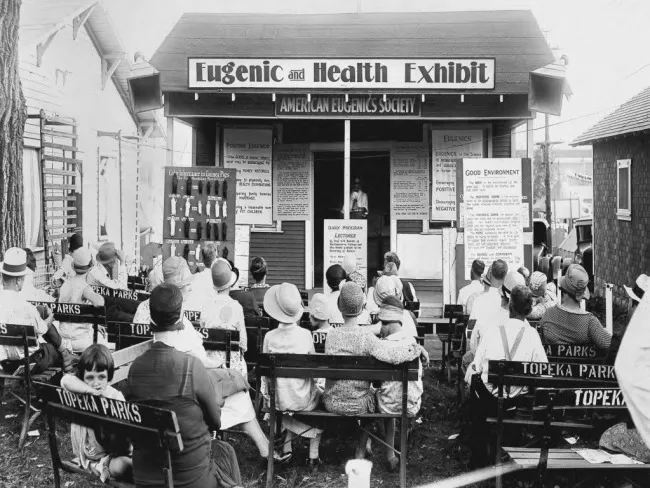
The Eugenic Origins of Three Strikes Laws
This webinar explores the relationship between the American eugenics movement and “habitual offender” laws, the barriers these laws continue to impose, their disproportionate impact on Black and Brown communities, and how attorneys have utilized the truth of the eugenics movement to continue advocating for their client’s rights to lesser sentences and freedom.

5X
Black Americans are incarcerated at five times the rate of whites. American Indians are incarcerated at 4.2 times the rate of whites and Latino people are 2.4 times as likely to be incarcerated as non-Latino whites.
Learn more
2025 Marc Mauer Racial Justice Award Ceremony
The Sentencing Project hosted the fourth Marc Mauer Racial Justice Award virtual event on November 6th, where the Youth Art & Self-empowerment Project (YASP) was honored.
Established in 2020 by The Sentencing Project Board of Directors, and named for the organization’s longtime leader and national expert on sentencing policy, race and the criminal justice system, the Marc Mauer Racial Justice Award is bestowed on individuals/organizations who significantly advance understanding and engagement on issues of race and mass incarceration.
