

Re-Punished for the Past
How Criminal Records Increase Prison Terms and Racial Injustice
A new report by The Sentencing Project finds that criminal records account for a large share of already lengthy prison sentences, often adding years or even decades to sentences, without evidence of community safety benefits. These sentencing policies cause disproportionate harm to Black communities due to overpolicing and criminalization. Re‑Punished for the Past: How Criminal Records Increase Prison Terms and Racial Injustice examines sentencing policies and outcomes in Maryland, Minnesota, Pennsylvania, and Washington for people sentenced to 10 years or longer.
Key Publications


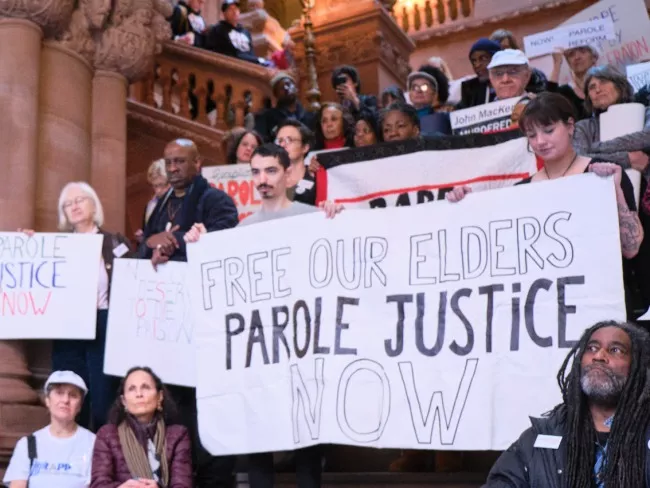
There may be those who make the argument that someone has been incarcerated so long that they cannot function in society, so they should remain in prison. Shame on us if we’ve incarcerated someone so long that it becomes a reason why they need to continue to be incarcerated. Shame on us if we’re not preparing people to come out into society.

Amicus Brief Challenging Felony Murder Liability Without Culpable Mens Rea
The Sentencing Project joined an amicus brief challenging the constitutionality of a felony murder conviction where the underlying felony offense did not involve a culpable mens rea.

Fighting Mass Incarceration in the 119th Congress
This webinar helped the public learn more about how they can take action to end extreme sentencing, expand voting rights, and promote youth justice.

Toolkit for Fighting Mass Incarceration in the 119th Congress
Join us in fighting mass incarceration. Learn about our priorities in the 119th Congress (2025-2026) and advocate for them with your legislators. Our toolkit will guide you through how to meet with your representatives, advocate at town halls, write Op-Eds, and more.
